
Tennessee Records and Access
Tennessee public records do not live in one database. The state has 95 counties, and the right starting point depends on where an event, parcel, filing, or case arose. Each county has a Register of Deeds and Assessor of Property. County clerks, trustees, sheriffs, and several types of court clerk hold other files. Statewide tools cover selected subjects, but none replaces those local offices.
| Tennessee record | Office that keeps it | Digital reach | How access works |
|---|---|---|---|
| Tennessee deeds, mortgages, liens, plats | Tennessee County Register of Deeds | County-specific; no Tennessee-wide deed index | Portal, subscription, counter, mail, or request |
| Tennessee property assessment | Tennessee County Assessor; Comptroller hosts most counties | TPAD covers 86 Tennessee counties and links nine local systems | Free portal or assessor property card |
| Tennessee trial and probate cases | Originating Tennessee court clerk | County-specific; no full Tennessee trial index | Portal where offered, clerk terminal, email, or copy request |
| Tennessee appellate cases | Tennessee Appellate Court Clerk | Public Case History begins with records filed after September 1, 2006 | Free history and many linked documents |
| Tennessee birth, death, marriage, divorce | Tennessee Vital Records and designated local offices | No open current Tennessee name index | Eligibility, identification, application, and fee apply |
| Tennessee custody and registries | TDOC, TBI, or Tennessee county sheriff | Statewide and county tools differ | Public fields online; verify with the Tennessee agency |
Tennessee open access has limits. Sealed and expunged cases, adoption files, protected juvenile matters, current vital certificates outside the entitlement rules, and personal motor-vehicle data are not ordinary open-search material. Tennessee Safe at Home participants also receive address safeguards. A visible index entry is not the same as an unrestricted file, and a missing online entry is not proof that the custodian has no record.
Tennessee Public Records Act Rules
The Tennessee Public Records Act, Tenn. Code Ann. §§ 10-7-501 through 10-7-515, defines records broadly across paper, photographs, maps, microfilm, sound, and electronic data made or received in government work. The enforceable inspection right generally belongs to Tennessee citizens. An office may ask for government photo identification with an address, while its adopted policy must state acceptable proof and name its Public Records Request Coordinator.
A Tennessee request must describe existing material well enough for staff to identify it. The agency does not have to answer research questions, create a new report, or compile data that does not already exist. Tennessee inspection-only requests may use the channels an agency accepts, including in person, phone, fax, mail, email, or an online portal, and generally cannot be forced onto a written form. Copy requests may require writing.
The Office of Open Records Counsel TPRA guidance explains the citizenship rule, inspection, copies, and appeals. Its published answers are a useful checkpoint before contacting a custodian.
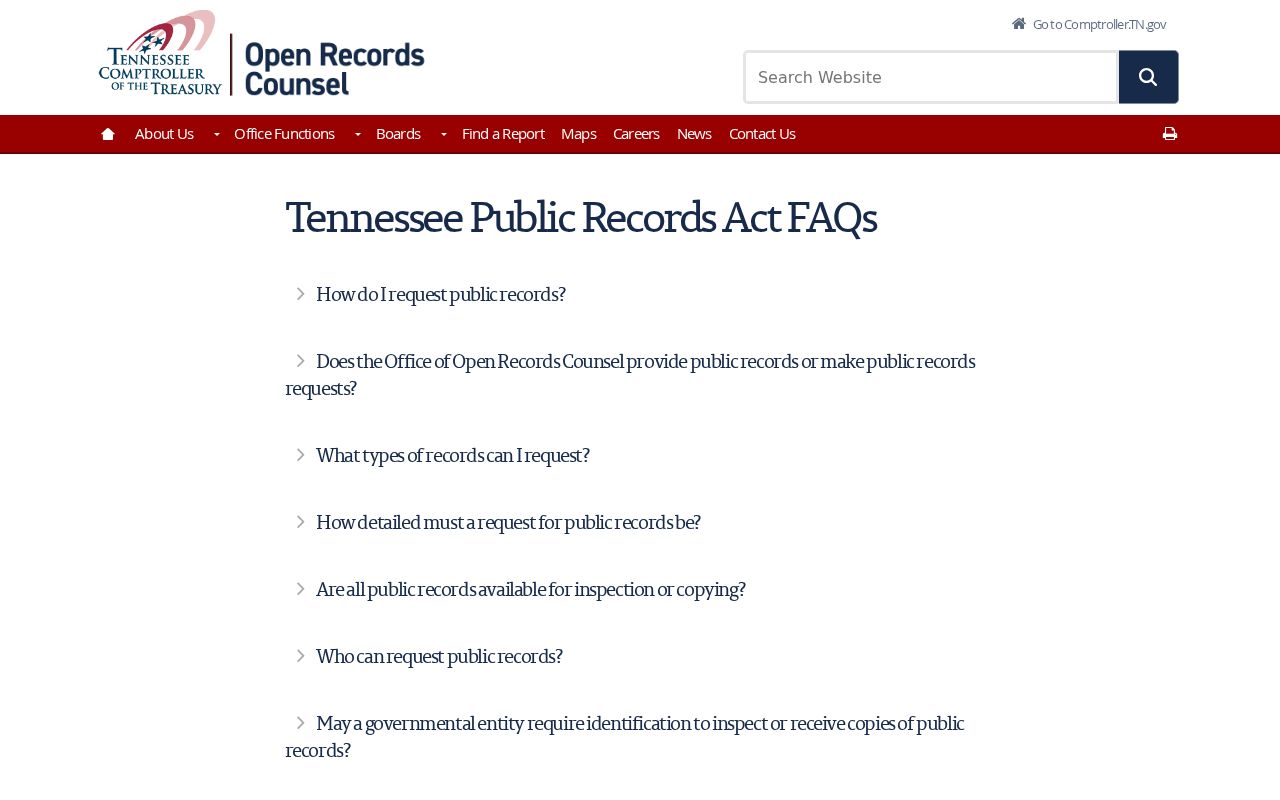
That Tennessee source helps separate the right to inspect from the separate cost and format questions that arise when copies are requested.
Tennessee County Deed Records
A Tennessee county Register of Deeds keeps land instruments such as deeds, deeds of trust, releases, liens, assignments, powers of attorney affecting real estate, and plats. The grantor is the party transferring an interest; the grantee receives it. Because Tennessee has no statewide deed index, the Tennessee county where the land lies controls the search, image, counter, mail, and certification options.
Davidson County provides a well-documented example. Its online name and date index begins July 1, 1964. Lot, subdivision, and document-type searching begins January 1, 2000, while deed images reach 1784. The service costs $50 per month for one user and $25 for each added user. The Register counter remains available at 300 Deaderick Street in Nashville, Monday through Friday from 8:00 a.m. to 4:30 p.m., with help at 615-862-6790.
The Davidson Register of Deeds portal opens at a subscription sign-in, shown here.
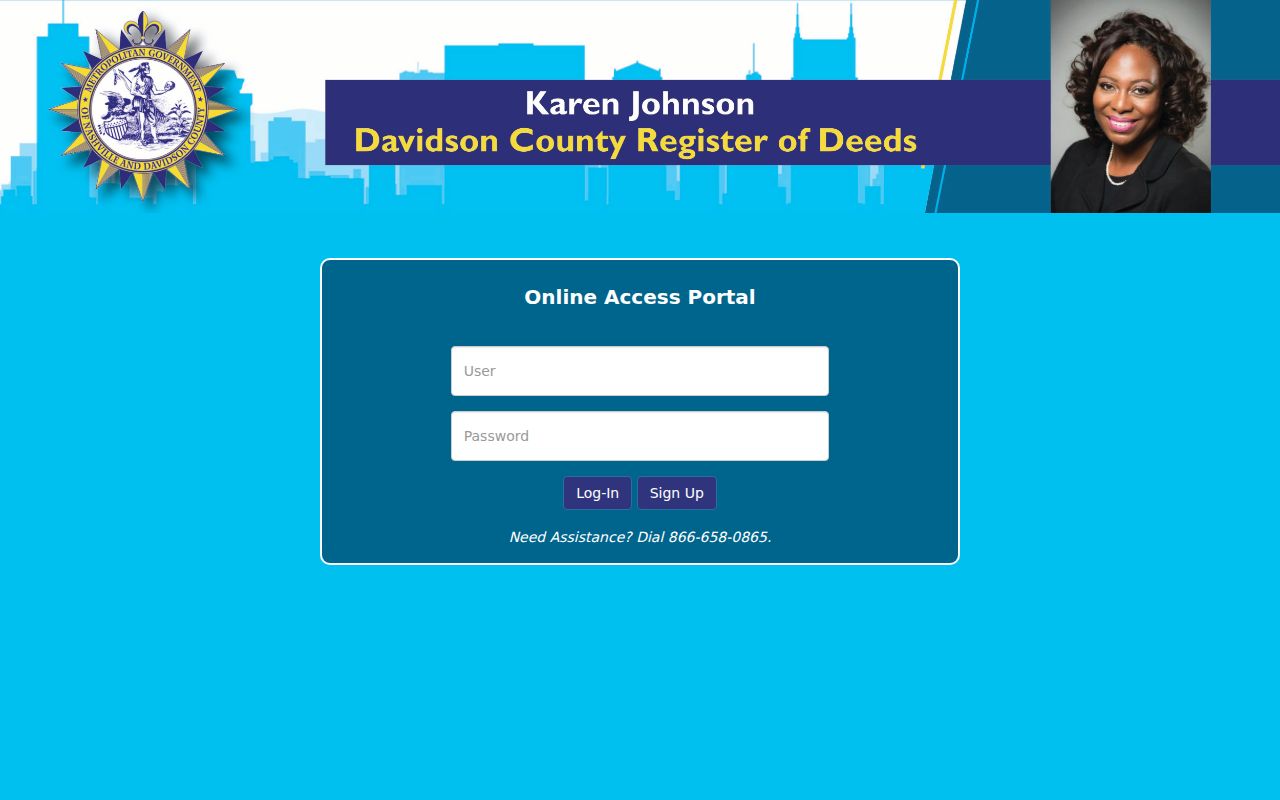
The Tennessee login gate explains why the public landing screen does not reveal the post-login document menu or a live deed result.
| Deed search mode | Input | Published coverage | Access note |
|---|---|---|---|
| Tennessee name index | Grantor or grantee | July 1, 1964 to present | Available after subscription login |
| Tennessee date search | Date or range | July 1, 1964 to present | Useful with a common name |
| Tennessee lot or subdivision | Lot number or subdivision name | January 1, 2000 to present | Property-based route |
| Tennessee document type | Dropdown choice | January 1, 2000 to present | Values sit behind the login |
| Tennessee archive index books | Browse grantor/grantee books | Earlier records | Find book and page, then retrieve the image |
Tennessee's Two Deed Timelines
Davidson County exposes a useful records quirk: image coverage and computerized name coverage begin in different eras. An old deed image may be online even when a modern name search cannot find it. For a pre-1964 transfer, the sound route is to browse the archive grantor or grantee index book, obtain the book and page reference, and then open the linked image.
This Tennessee distinction matters beyond Davidson. An index points to a document; it does not replace the document. Tennessee county systems vary in both dates and fees, so the local Register remains the authority. A current assessor card can also supply a recent deed reference. From there, an older ownership chain can be followed back through recorded grantees and grantors without assuming that every era is searchable by name.
Note: Street names can change, but a legal description, subdivision, lot, instrument number, or book and page may preserve the trail.
Tennessee Property Records by County
The Tennessee Property Assessment Data system, or TPAD, gives the broadest statewide property route. It searches assessment data for 86 counties and sends users to nine independent systems for Chester, Davidson, Hamilton, Hickman, Knox, Montgomery, Rutherford, Shelby, and Williamson. Search fields include county plus an owner name, property address, parcel ID, subdivision, classification, sale-date range, or detailed map and parcel components.
Tennessee results can show the January 1 owner, owner mailing address, the property’s situs address, parcel identifiers, appraisal and assessment values, classification, districts, sale data, deed book and page, acreage, and improvement details. “Situs” means the physical location of the parcel, which may differ from the owner’s mailing address. Tennessee TPAD data are updated weekly, and some parcel pages can export to Excel, CSV, or PDF.
The Comptroller’s county assessment directory routes searchers to each county’s assessor and related resources.
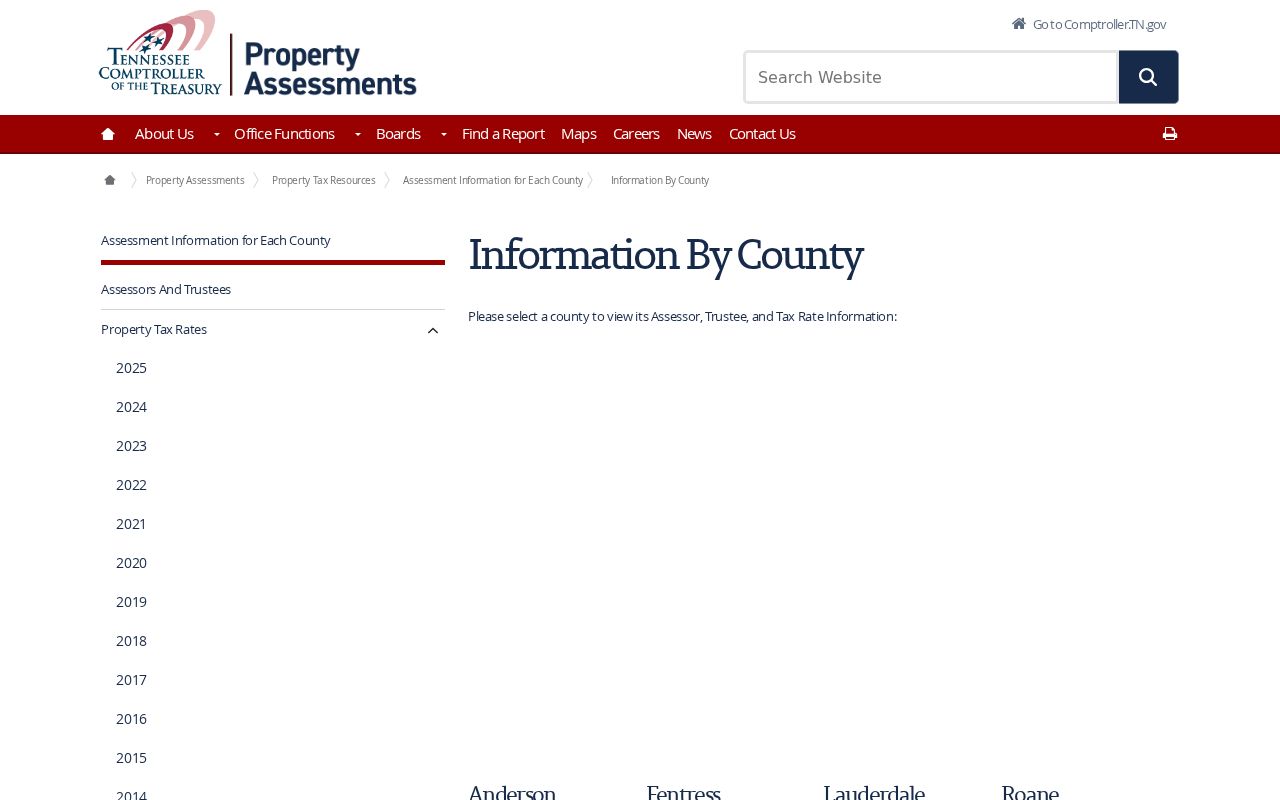
Use that Tennessee county route when TPAD points outward, a parcel is absent, or an official property card is needed at the assessor counter.
Tennessee Court Records Divide
Tennessee has a statewide appellate case history, but no complete statewide trial-court party index. The 95 counties fall within 32 judicial districts. Circuit and Chancery Courts operate in every district, while Criminal and Probate Courts may be separate. General Sessions exists in every county. Trial files therefore begin with the clerk in the county and court where the case arose.
For appeals, Tennessee Appellate Public Case History instructions describe records filed after September 1, 2006. Many documents filed after August 26, 2013 are linked as PDFs, with some migrated older orders.
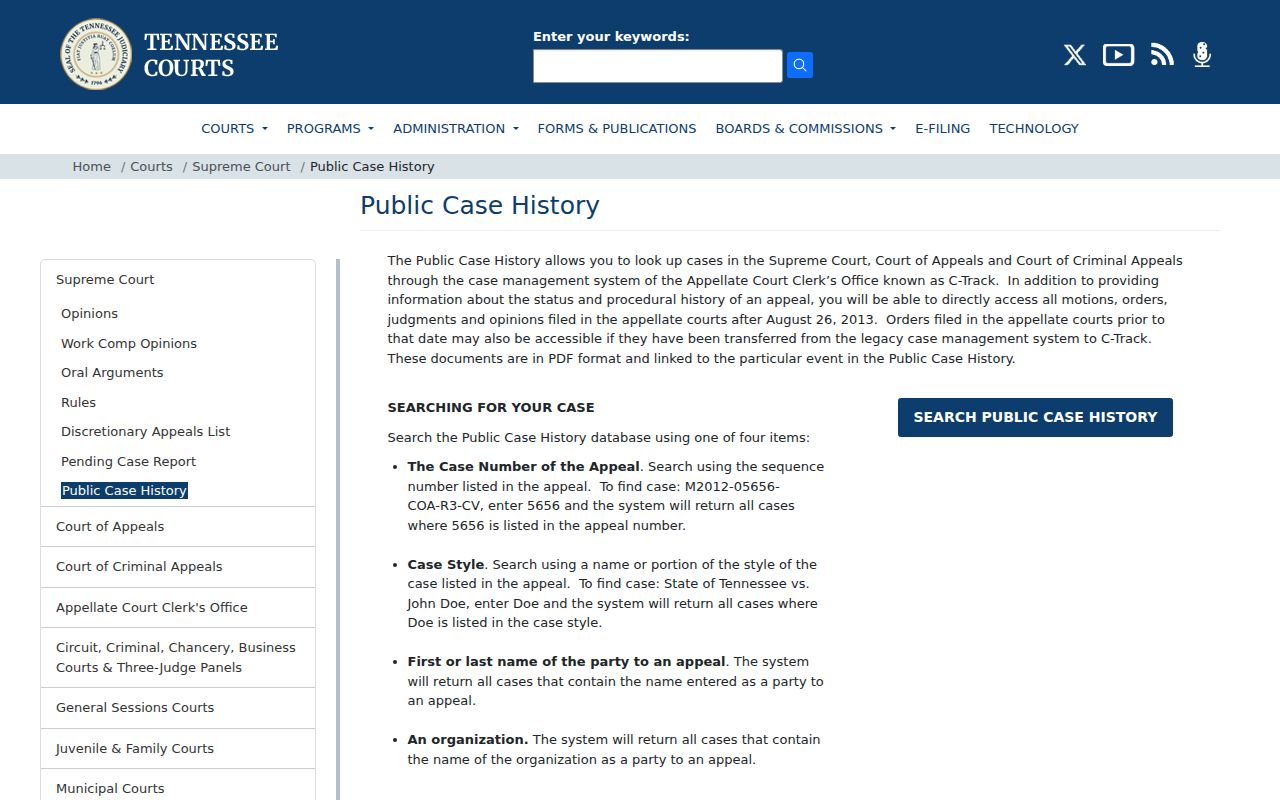
The Tennessee appellate result may show case style and number, the trial court and judge, milestones, parties, document history, record information, and available motions, orders, judgments, or opinions.
Tennessee search modes include a full or partial case number, case style, party name, and business or organization. Trial cases require a Tennessee county portal where one exists, an in-person clerk terminal, email, or a targeted copy request. Davidson’s free CaseSearch, for example, gives basic Circuit, General Sessions Civil, and Probate case details without images; its paid CaseLink service adds advanced features and selected images.
Tennessee Court Records Boundaries
Rule 34 recognizes access to public court records, but it excludes material closed by Tenn. Code Ann. § 10-7-504, another law, a court rule, or an order. Sealed and expunged records are not open. Adoption matters and many juvenile or termination-of-parental-rights records also receive protection. Davidson’s criminal search expressly removes expunged information under § 40-32-101.
The Tennessee Supreme Court Rule 34 text is the official source for the court-access framework.
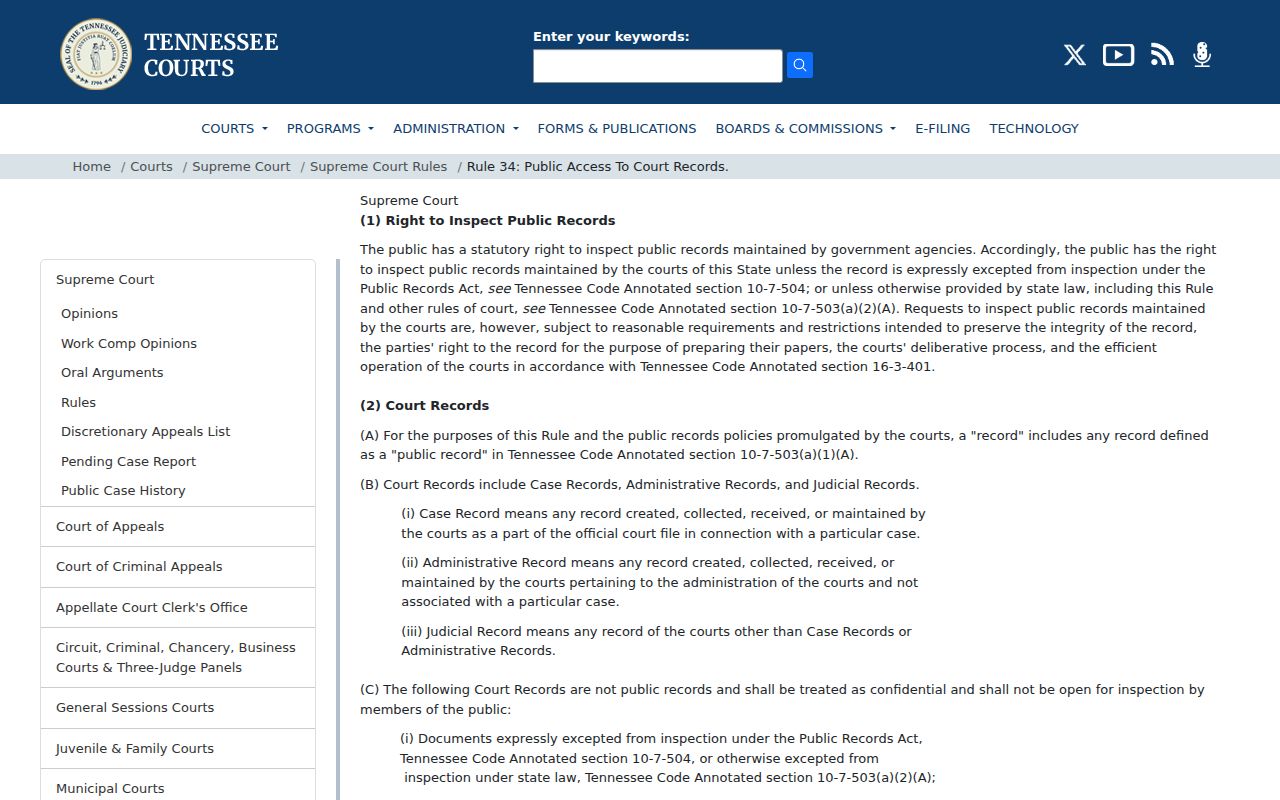
That Tennessee rule should be read with the statute or order governing a specific file. A public docket line does not guarantee that every linked pleading, exhibit, or identifier is open.
Use records lawfully. Tennessee registry data and other open records must not be used to threaten, intimidate, stalk, or harass any person. Confirm time-sensitive custody and court facts with the responsible agency.
Tennessee Vital Records Access
Calling a vital record “public” does not make a recent certified certificate open to all. Tennessee Vital Records requires eligibility and identification under Tenn. Code Ann. §§ 68-3-205 and 68-3-206 and Rules 1200-07-01-.11 and -.12. The state office keeps birth records for the past 100 years and death, marriage, and divorce records for the past 50 years. Older holdings transfer or route to the Tennessee State Library and Archives, the issuing county clerk, or the court that granted a divorce.
Each Tennessee certificate search or copy costs $15, and the search fee is not refunded when no record is found. Tennessee applications may be made in person at the Andrew Johnson Tower in Nashville or by mail with a signed form, payment, and identification or notarization. Any Tennessee county health department may issue a birth or death registered statewide. The state uses an authorized vendor for online card orders and does not itself accept direct online orders.
Tennessee marriage-license applications and authenticating documents can provide verified information, but medical sections of birth records and confidential marriage or divorce fields remain restricted. Tennessee cause-of-death access has a narrower list of eligible relatives and representatives. The historical transfer rules make Tennessee archives the proper fallback for older family research, not a way around current-certificate limits.
Tennessee Custody and Registry Records
Custody information splits between statewide and county systems. The Tennessee Department of Correction’s FOIL search covers current and former felony offenders in state custody or supervision. Public results may show a photograph, status, location, offense, active sentence, parole-hearing data, and release information. The originating court or agency remains the best place to confirm a case disposition.
Tennessee county sheriffs control local jail access. There is no single statewide county-jail roster. Davidson County’s representative Tennessee tool offers first and last name fields, while advanced search adds date of birth, OCA, warrant, and CIS numbers. Its recent-bookings view covers a 48-hour list. Offline requests go to the Davidson Offender Records Center in Madison, which accepts visits on weekday hours, phone questions, and online inmate-record requests.
The Tennessee TBI Sex Offender Registry permits combined searches by partial name, alias, address, city, county, ZIP, offender ID, status, or offense. It updates daily, yet the Tennessee registering agency supplies the data and details can change. The official warning against threats, intimidation, stalking, or harassment is part of the access context, not a mere caution added after the search.
Tennessee Public Records Offices
The custodian is the office responsible for the requested file. Tennessee’s official directories help identify that office before a request is sent. Land instruments belong with the county Register, parcel cards with the Assessor, taxes with the Trustee, and trial files with the correct court clerk. A broad request sent to an unrelated state office can lose time because there is no central clearinghouse.
County Register of Deeds
One elected office in each Tennessee county
Deeds, liens, releases, plats, and certified land copies
Local Court Clerk
Originating county and court control the file
Counter, portal, email, plain copy, or certification
Tennessee Vital Records
710 James Robertson Parkway, 1st Floor
Nashville, TN 37243 | 615-741-1763
Tennessee state agency requests go to that agency’s named Public Records Request Coordinator. Older Tennessee vital records and county material may instead belong at the Tennessee State Library and Archives or a county archive. Check Tennessee custody dates first, then state the precise record and date range. That small step prevents a valid request from reaching the wrong desk.
Tennessee Record Terms Defined
Tennessee access choices affect both cost and usefulness. A portal result may be enough to identify a Tennessee file, while a family estate matter may call for the document itself. These terms keep a Tennessee records request precise.
- Custodian
- The government office responsible for maintaining and responding for a record.
- Index
- A searchable pointer with names, dates, case numbers, instrument numbers, or book and page references.
- Image
- A digital view of the filed document. Image coverage may start earlier or later than index coverage.
- Plain copy
- A reproduction without an official certification that it matches the office record.
- Certified copy
- A copy bearing the custodian’s formal certification, often with a separate fee.
- Exemption
- A statute, rule, or order that closes a record or requires protected fields to be withheld.
Inspection is normally free. Under the Office of Open Records Counsel safe-harbor schedule, standard copies may cost up to $0.15 per black-and-white page and $0.50 per color page. Labor is generally charged only after the first hour, based on the wage of the employee reasonably needed for the work. Actual delivery, storage media, vendor, and archive-retrieval costs may also apply.
Request Tennessee Public Records
Start with the office’s portal or index when one exists. An instrument number, parcel ID, case number, license number, or offender number can turn a broad inquiry into a request for a named existing record. If the file is not online, use the channels in the custodian’s policy. Inspection may be requested in person or through any phone, fax, mail, email, or portal route that the office accepts.
- Identify the county, agency, and exact custodian. For a trial file, name the court and clerk; for land, contact the county Register.
- Search the official index and collect any file number, date, party name, parcel, or instrument reference.
- Describe the existing record, date range, and useful keywords. Choose inspection, a plain copy, or a certified copy and state the desired delivery method.
- Ask for an estimate before copies are made. The office may require prepayment and may charge a specific statutory fee instead of the general schedule.
- Keep the dated response. If records are not promptly available, the custodian must within seven business days produce them, deny the request in writing with the basis, or give a written reasonable-time estimate.
If a denial or cost cannot be resolved with the custodian or coordinator, the Office of Open Records Counsel can provide informal help. Enforcement proceeds through the appropriate Circuit or Chancery Court under Tenn. Code Ann. § 10-7-505. Narrowing an overbroad date range or naming a file more precisely can also solve a delay without changing the record sought.
Note: A Tennessee agency does not have to create a new list, calculation, report, or compilation just to answer a request.